Volcanic Wines Of The World
There is no doubt the concept of 'terroir' has permeated almost every winemaking region of the world today. Of the multitude of components that make up 'terroir' one of the most important factors is of course soil. The impact that the earth has on vines grow in is a subject that today fills countless books, numerous articles and untold conversations of wine nerds around the world. And while there are many varied types some of the most compelling and fascinating wines, we see today come from grapes grown on volcanic soils.
Mt Etna, Alsace, and the Canary Islands might be some of the first regions that pop to mind but many may be surprised to the prevalence of volcanic soils that exist around the world. Close-to-home pockets of the Yarra Valley, Tasmania, and Orange are marked by this unique soil while further afield the western United States and regions like the Willamette Valley and Sonoma County feature it. Further afield South America, Portugal, Hungry, and Greece start to form the start of a long list of volcanic-rich locales around the world.
So, what makes these soils so unique when we talk of the wine grown on them? It’s hard to deny the distinctive character that these soils impart on wines and one of the places where this may seem the most prevalent are the wines of Mt Etna. Here some of the most obvious smokey and mineral-infused qualities we associate with volcanic soils make their presence felt. There is an obvious savouriness and tension that’s imparted here along with a salty tang to the sweet fruit. It’s hard not to be taken in by the unique profiles of the wines grown on the smoldering hills of Etna but the story is much more complex than that.
Of the many regions that feature these soils, their makeup can be extremely varied. Levels of potassium, iron, clay, and many other elements form a kaleidoscope of soil tapestries all with unique profiles and makeup. They can age from tens of thousands of years to many millions of years and each, combined with varied topographical features of the lands they reside, impacts wines in countless ways.
Regions like the Languedoc and Willamette Valley iron-rich and clay-flecked soils tend to impart grapes with concentration and depth along with elegance and finesse. In other areas the levels of potassium, salts, and other minerals have a significant impact on elements like phenolic dryness, aromatic lift, and of course acidity. The basalt-infused soils of regions like Tenerife and the Canary Islands course with a wonderful salinity, heady florals, and lilting spice.
Similar soils in Soave impart a wonderful mineral edge to the plush fruits of the garganega-based wines and the same is true for the wines of Campania and the surrounding coastal locales that have been covered in the dark ash from eruptions in Vesuvius’ long past. The boca soils of Alta Piemonte and areas like Brameterra and Gattinara lend a unique profiling to the nebbiolo bases wines of the regions adding a wonderful tension, energy, and litheness that is not found anywhere else.
Wherever you are the story is always a complex coalescing of many factors and with so much more to explore here, we are only touching the tip of the iceberg with the wines made from volcanic soils around the world. It’s a captivating subject and this tasting is barely a glimpse into this intriguing and fascinating world.
-
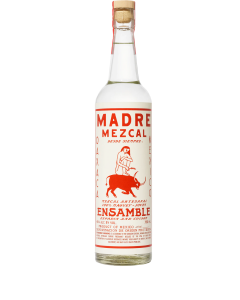 Madre Mezcal Ensamble 750ml
Ensamble is Madre’s centrepiece. It’s a blend of Espadin and the rare, wild agave, Cuishe, which only counts for 1-2% of agave species. The lion’s share of the blend is crafted by Jose Ines Garcia Morales and his family in San Dionisio, with a little Cuishe supplied from the Vazquez palenque in Miahuatlán.
Agave Cuishe is part of the slow-ripening Karwinskii family, which also includes the Cirial and Tobasiche varieties. Due to the agave’s dense core and low water content, Mezcal made from Cuishe has a slightly tropical and earthy tone. This is picked up during the cooking; the piña is long and thin, increasing the surface area for the roasting process. As, unusually, the stalk and the piña are harvested and roasted together, Mezcal from the Karwinskii family is often said to have a firmer structure. As wild agave is a dwindling resource, for every plant harvested Madre replants it two-fold.
$135.00 As low as $121.50 -
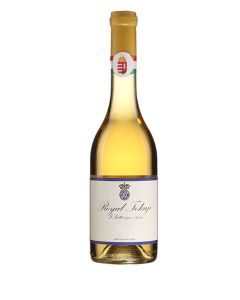 Royal Tokaji Blue Label 5 Puttonyos 2017 500mlThe Blue Label is the producer's best-known classic Aszú wine, sold as Red Label in the USA. A refreshing nose of citrus blossom, elderflower, marmalade and ginger spices. Refreshing acidity balances a comparatively light palate of apricot, bruised yellow apple, tangerine peel and white pepper. The sugar level sits at 158 g/l, which is well-balanced by the crisp mineral acidity (7.9g/l). SYLVIA WU, Decanter
The 2017 Tokaji Blue Label 5-Puttonyos is a selection of the finest Aszú berries from across the region. This is the cuvée where I was expecting more on the nose, which seems a little taciturn at the moment and, despite my allowing the sample to aerate, never quite clicks into gear. The palate is a different matter: poised, intense and lightly spiced, with a gorgeous viscous texture. But surprisingly, of the six cuvées that I tasted from Royal Tokaji this vintage, the Blue Label is the one where I wanted more. NEAL MARTIN, Vinous2017TokajiHungary491$92.00 As low as $82.80