
Spain's Great Northwest Tasting
Today the long tributaries, lush green hills, verdant mountain passes, and coastal shores are home to some of the country's most in-demand whites and fascinating and endearing reds. We have long been fans and converts to the wines made here and they continue to thrill us today.
The Atlantic-inflected whites and reds are special and unique, standing proudly apart from the rest of Spain. There is a lift and sense of freshness here. The wines are a beacon of vibrancy and effervescence drawn together by a seam of minerality infused to their cores while their silky, lively fruit entices and captivates with every sip.
Alabarino, godello and mencia are the standard bearers here supported by a roster of small but distinctive and singular indegenous varietals. The last decade has seen an explosion of interest and investment in the region. From the coastal valleys to the terraced hills further east some of the country's best winemakers and producers have flocked to the region embracing the unique viticultural heritage it represents.
The Rias Baixas sits right on the western coast and here albarino thrives. While many of the locals will swear its related to riesling with its lifted, sweet florals, purity and surprising ability to age it often leads with a little extra generosity and flesh that gives even more immediate appeal. The best examples are fused with a salty inerality and sqeaky, fleshy acidity. Further inland we start to see godello take the lead role. It's mineral driven palate and mineral stained nose offer a racy counterpoint to albarino's more fleshy punch. While some fruity, plush examples make their way to market, the best renditions remind us more of the lightly aromatic wines of northeast Italy and beyond into the borders of Germany and Austria.
Then, finally, we are in mencia country. Grown on some of the most picturesque, slate terraces and hugging the winding inland rivers, its wines are elegant with a tell-tale mineral flourish, effusive lifted nose and finely detailed palate. Some examples add liberal layers of fruit to their bones but always deliver mineral flecked nuance with every sip. Think cru Beaujolais crossed with cabernet franc and a hint of pinot noir. Their freshness and crunch is a hallmark that is transferred from the granite, shale and rocky soils their long deep roots stretch for in the vineyards that hug themselves to close to the steep hills.
A fascinating and wonderful region that is only beginning to show its true potential. For lovers of lithe and energetic wines with supple, subtle nuance and complexity will love these wines. Equally those looking for pure fruited and fresh whites and reds you will be just as enamoured as we are.
-
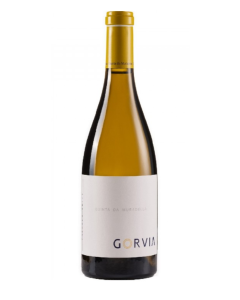 Quinta da Muradella Gorvia Blanco 2018Vintages don't necessarily follow in chronological order here, so from the 2014 I tasted last year (which is just being released now!), we jump to the 2018 Gorvia Blanco. This plot had normal yields in 2018, as the development was quite early and the fruit setting was before the problems showed up. This is the first year that has a little Godello, as Mateo replaced the dead vines and regrafted some rows with Godello, so it has a very small percentage (perhaps 5%). This is sharp, austere, mineral and incredibly young, and it finishes with a clean, sharp and precise salty note. This follows the textural direction of the Fisterra, or the wine he bottled for Matador. This should develop in bottle for a long time. He thinks 2014 is starting to show well now, almost six years after the harvest. I think this wine can be enjoyed young, but it will improve and develop a lot in bottle. LUIS GUITIERREZ, The Wine Advocate2013BlendSpain440$110.00 As low as $99.00