
From Jerez With Love: Bodegas Luis Pérez Masterclass
-
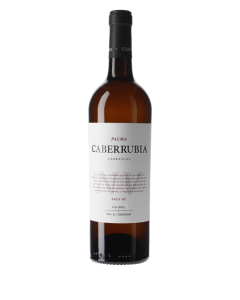 Luis Perez Palma 'Caberrubia' Saca VII Fino 2022
A white wine that resembles sherry at 15% alcohol and aged five years on flor. Dried flowers, nuts, spices and sea salt with dried apples, too. It’s full-bodied with an intense flor character and a flavorful finish. Some almond beneath the surface. From 2017 and 2018. Drink or hold. (95) JAMES SUCKLING
Caberrubia is based on 50 year old bush vines, yielding just 3 tonnes/ha, from hard, laminated barajuelas in Pago Carrascal. The highly selected fruit is picked in early September and has about 6 hours of soleo. Only 35% of the free run juice is taken. Without racking, it’s set to age in bota, undergoing natural fermentation well into December. In February, the young wine is pressed off lees and classified. The palmas are placed in almost topped bota, thus limiting the growth of flor and emphasising Corregidor’s soil aromas. Each cask is monitored and drained-or-filled to precisely regulate the desired influence of yeast in the wine style. ‘Caberrubia’ is the name of a local bird (also known as the ‘Alzacola’) which has returned to these vineyards since they reverted to organics.Caberrubia blends several vintages of Carrascal Fino … selection material which does not make it into La Barajuela. It marks the return to Jerez of the historical practise of making Finos without adding alcohol distilled from other grapes in another region (Airen from La Mancha). Natural alcohol Finos were common throughout el Marco until 1969 when the Consejo Regulador mandated the use of fortification4 . 50 years later, history returns in the form of Caberrubia.
2018PalominoSpain410$140.00 As low as $126.00 -
 Luis Perez Caberrubia Villamarta Tres Palmas de la Barjuela 2013
45yo low-yielding Palomino grown on Barajuelas: layered, structured, iron-proud. Like soil, like wine. 15.5% natural abv. Hand-picked grapes are collected over a two month stretch, then given 6 or 7 hours of soleo. Only 35% of the must is taken from basket press and this ferments spontaneously in bota until December. The fruit is then classified as Fino or Oloroso. The Fino (classified as Una Palma) selection is then put to biological ageing for two years, but with little ullage. This is to attenuate the development of the flor, and allow soil-related aromas to continue to dominate the wine, which is given a relatively short time under flor. 3 botas of 400 litres each result in this un-fortified Fino of freshness, finesse, and immense chalky structural depth.
Here we get a full five years of biological ageing. The resultant wine is a deep, developed Fino, classified as dos Palmas - significantly augmented character from ageing, but still entirely consistent with its original designation.Increased volume, more salt, more acid: ripe fruit, dried straw, chalk drying on boots, ground nut meal, the smell of toast, the ocean and flor. Really classical Fino with fine, spritely secondary acidity, and a really complex volatile spectrum.
NVPalominoSpain410$640.00 As low as $576.00 -
 M. Ant. De La Riva Coleccion dos Palomino de Pasto 'El Armijo' 2021
Also from Sanlúcar, el Armillo is both the pago and parcela name, ie this single vineyard expression is from el Armillo in el Armillo. In the hands of the Florido family, the 33 ½ hectares of Armillo have been very patiently re-assembled as a single entity, having previously been sold/separated into micro-parts for a couple of hundred years. It shares an illustrious address strip among Pagos Miraflores Alta, Pastrana and el Agostado. Across these hectares, the soils range from Lentjuelas and Toscas Cerradas, through some quite rare coastal Barajuelas and some Albarizas Pardas.
Hand picked, with a whole-bunch press to fermentation in 500l Fino casks and 12 months ageing under velo de flor. 600 bottles only (18 in Australia), 12.5% abv.
2021SherrySpain410$125.00 As low as $112.50 -
 M. Ant De La Riva Palomino de Pasto Pago de Marcharnudo 2021Very intense with salty and sourdough notes. Briny and slightly phenolic with full body and a lengthy finish. A concentrated fino-style white that persists for two minutes. Drink now. (95) ZEKUN SHUAI, JamesSuckling.com
La Riva Macharnudo Blanco recuperates a great wine based in the 'el Majuelo' vineyard (specifically in the tiny sub-vineyard parcela, el Notario) within Pago Macharnudo . La Riva is a historical wine of Marco de Jerez which disappeared under Domecq in the 1980s. 'El Notario' faces north (just under el Castillo de Majuelo, a castle crowning Pago Macharnudo) at 115m altitude, 18km in from the Atlantic, in a mixed poniente-levante setting. The soils are Tosca cerrada and (mainly) barajuelas with a high level of diatomaceous fossils promoting great freshness. The fruit (Palomino 84) is hand-picked, with individual bunches selected in repeated passes over 2 months, which gain a degree or so of alcohol from a 6 hour soleo. It's then whole bunch pressed (only 50% of the free run juice is taken). An ambient spontaneous fermentation in 600l bota precedes 18 months ageing under a film of flor. The wine is hand-filled to bottle, unfiltered, unfined.2021PalominoSpain410$285.00 As low as $256.50