
Bereche And Suenen 2023
Bereche and Suenen 2023
-
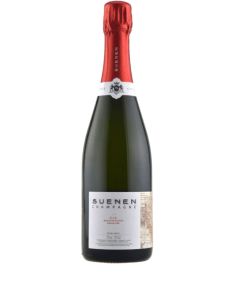 Suenen C + C Extra Brut Blanc de Blancs NV2019 base with 50% reserve wines from 2013 to 2018. The C + C Blanc de Blancs is blended from nine parcels across both north and south-facing hillsides in Cramant and Chouilly, including Les Robarts and Le Mont-Aigu. The oldest vines date back to 1951. The average depth of the soils of these parcels is marginally deeper than Oiry, with silty clay overlaying the chalk. In Suenen’s plots on Cramant’s eastern slope—Les Robarts, Les Basses Croix, Les Fourches du Nord, Les Vignes de Mardu—the soils measure one metre before the roots meet the chalk. In Chouilly, it’s closer to 60 cm. This extra depth, along with a good dose of southern exposure, makes for a more hedonistic wine.
The blend is split between Cramant (70%) and Chouilly (30%). Although tempted to bottle each village separately, Suenen has found the two villages work even better as a blend; the textural finesse of Cramant marries perfectly to the more layered personality of Chouilly. Again, the wine aged on lees for nine months in enamelled tank (50%) and in used Burgundy oak barrels and demi-muid. It then aged for 30 months in bottle with no fining, no filtration and no cold stabilisation. It was disgorged in January 2023 with a dosage of 4 g/L. ROB WALTERS
NVChampagneFrance376$325.00 As low as $292.50 -
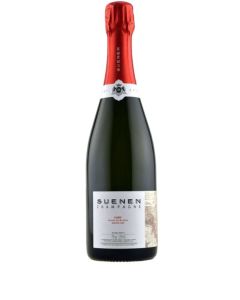 Suenen Oiry Blanc de Blancs Grand Cru Extra Brut NV2019 base with 45% reserve wines from 2013 to 2018. Together with Suenen’s single-vineyard offering (La Cocluette), these represent the only pure Oiry wines on the market. This is drawn from just 1.5 hectares split between five separate parcels. The vines are planted in Oiry’s compact, white Campanian chalk soils. From Le Champ Braux planted in 1955 to La Cocluette planted in 1987 and 1999, the average age of the vines is now 45 years. These vineyards lie at the base of the slope where only a little topsoil sits above hard, chalky bedrock. In La Cocluette, for example, the soils are only 50cm thick.
The combination of this chalk’s austere, mineral impact and Suenen’s low yield/ripe fruit philosophy produces a scintillatingly tense, coiled and stony wine. “Tonic” is the word Suenen uses to refer to this wine’s unique personality. “The wines from Oiry set themselves apart because of their saline expression, full of freshness,” explains Suenen. His wine is a study in minerality—the wine is rocky, vibrant, saline and vibrantly fresh. Creamy depths (from 30 months’ aging on lees) enfold the wine’s structural and mineral qualities and keep you coming back for more. In short, this is everything you would want from Grand Cru Côtes des Blancs, and represents a unique opportunity to taste Oiry’s distinctive, rocky terroir.
The base wine fermented naturally and aged for nine months in the same vessels—enamelled tank (50%) and seasoned Burgundy oak barrels and demi-muid (used at least six times prior). No fining, no filtration, no cold stabilisation. The wine was disgorged in 2023 (magnums and jeroboams were disgorged as per the details above), with a dosage of 4 g/L. ROB WALTERS
NVChampagneFrance376$230.00 As low as $207.00 -
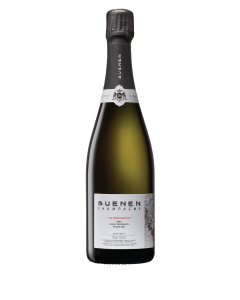 Suenen Oiry La Cocluette Oiry Blanc de Blancs Grand Cru 2016The most northern of Suenen’s Oiry parcels, La Cocluette is also home to the domaine’s oldest vines (planted in 1925), a site where the ancient roots bury deep into the dense Campanian chalk (the younger plantings from this site go into the Oiry Blanc de Blancs). Vines of this age are as rare as hens’ teeth in Champagne, and they gift tiny yields of concentrated berries. The land here is largely flat with a somewhat northern exposure.
Here the base wine fermented naturally and aged for nine months in one 700-litre concrete egg and one 600-litre Stockinger barrel (the same that is used each year). It then aged sur lies for 60 months in bottle until disgorgement in July 2022, when it was dosed with 3 g/L.
Suenen explains that the wines from this vineyard express themselves with great finesse. “The energy brought by this calcium-rich terroir makes the mouthfeel richer through a silky bubble. With time, the finish lengthens on a salivating mineral vibrancy.” Put another way, this is a more intense and complex expression of this region’s naked-chalk terroir than the NV Oiry. The 2016 harvest produced less than 2,000 bottles. ROB WALTERS
2016ChampagneFrance376$645.00 As low as $580.50