
Amore Amaro
Amore Amaro - love and bitterness. The ying and yang of love and life all in one bottle. Amaro is a diverse and fascinating category but you should know, that once you stick your head down that rabbit-hole you're gone for good. The search is enrossing, no two are the same, they're both a crazy anachorism and fabulously current. They defy easy labels and in a world of homgenaeity favouroid-riven food and drink, they are the antidote, reminding you of the variety of nature and the creativity of man.
What is Amaro?
The easiest way to explain Amaro is that it’s a spirit, often neutral spirit or brandy, that is then infused with all manner of herbs, barks, flowers, citrus peels, peppermint, gentia, juniper, rocket, rosemary...pretty much anything you have on hand. It's then sweetened to a greater or lesser degree and aged in barrel for a time.
There is no one recipe, there are thousands of individual interpretations across Italy as varied as the indigenous flora one finds in the nearby forests and hills. From Alpine meadows to Sicilian orange groves to the wilds of the islands, the flavour spectrum of an Amaro will be driven by what is on hand.
For those of us who are obsessed with the genre, this is a large part of the appeal, no two bitters (Amari) are the same. You have to try all of them to finally rest on your preferred style!
Critically important is the balance of sweetness (Amaro are all sweetened to a greater or lesser degree) and bitterness in combination with whatever aromatic and flavour profile has come from the steeping material. Too much one way and I’m out; excessive bitterness or excessive sweetness both tend to ride roughshod when you’re trying to get a line on the essence of what the distiller was trying to achieve.
Don’t get me wrong I’ve been smitten with both extremes in the past but maybe it’s old age that I now search out the goldilocks zone when assessing a new Amaro. That's my opinion and I know plenty of people who prefer the extra sweet styles and those who get off on the intensely bitter (fernet) styles.
How do you use them?
Any way you want, there are no rules here, but I know that’s not helpful. So...
On ice with a splash of soda and you’ve got yourself a enlivening aperitif.
On ice with a slice of citrus (depending on the Amaro) and you’ve got yourself a digestive.
Obviously, you can use them in hundreds of cocktails, the most famous and popular of late is the Negroni.
I even tasted one recently where the main steeping material was rosemary. Roscoe suggested you could you it to make a gravy for your roast lamb. I tried it, it worked a treat. I didn’t much like the Amaro but it was killer for the gravy!
Here's a sleection of our favourites.
What is Amaro?
The easiest way to explain Amaro is that it’s a spirit, often neutral spirit or brandy, that is then infused with all manner of herbs, barks, flowers, citrus peels, peppermint, gentia, juniper, rocket, rosemary...pretty much anything you have on hand. It's then sweetened to a greater or lesser degree and aged in barrel for a time.
There is no one recipe, there are thousands of individual interpretations across Italy as varied as the indigenous flora one finds in the nearby forests and hills. From Alpine meadows to Sicilian orange groves to the wilds of the islands, the flavour spectrum of an Amaro will be driven by what is on hand.
For those of us who are obsessed with the genre, this is a large part of the appeal, no two bitters (Amari) are the same. You have to try all of them to finally rest on your preferred style!
Critically important is the balance of sweetness (Amaro are all sweetened to a greater or lesser degree) and bitterness in combination with whatever aromatic and flavour profile has come from the steeping material. Too much one way and I’m out; excessive bitterness or excessive sweetness both tend to ride roughshod when you’re trying to get a line on the essence of what the distiller was trying to achieve.
Don’t get me wrong I’ve been smitten with both extremes in the past but maybe it’s old age that I now search out the goldilocks zone when assessing a new Amaro. That's my opinion and I know plenty of people who prefer the extra sweet styles and those who get off on the intensely bitter (fernet) styles.
How do you use them?
Any way you want, there are no rules here, but I know that’s not helpful. So...
On ice with a splash of soda and you’ve got yourself a enlivening aperitif.
On ice with a slice of citrus (depending on the Amaro) and you’ve got yourself a digestive.
Obviously, you can use them in hundreds of cocktails, the most famous and popular of late is the Negroni.
I even tasted one recently where the main steeping material was rosemary. Roscoe suggested you could you it to make a gravy for your roast lamb. I tried it, it worked a treat. I didn’t much like the Amaro but it was killer for the gravy!
Here's a sleection of our favourites.
-
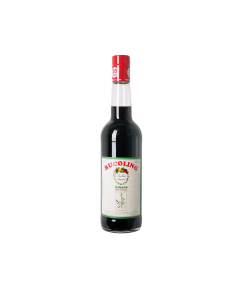 Ischia Sapori Rucolino Amaro 700mlThe Savastano family on the island of Ischia have been making liqueurs since 1880. Their most famous, Rucolino, is made using locally grown rocket leaves and the islands famous lemons. A dark amaro, its not as heavy and syrupy as many in the category and is great served straight from the freezer.Italy$115.00 As low as $103.50
 -
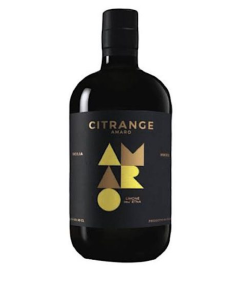 Citrange Limone Amaro 500mlThese incredible amaro's are produced by Michele Faro of Pietradolce in Sicily. The Faro family have grown Sicilian citrus on the slopes of Mount Etna for generations.
The Limone contains lemon peel, gentian, cinchona, clove, oregano, elderflower, cinnamon and a range of secret family ingredients.
Italy482$81.00 As low as $72.90 -
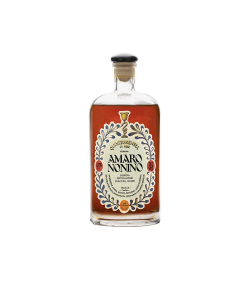 Nonino AmaroNonino Amaro is made by using a blend of UE (whole grape grappa) aged in oak for five years while being infused with mountain herbs. This is the perfect after dinner drink; combining heady medicinal, herbal elements with a refreshing and subtle sweetness and all backed by good alcoholic warmth.
Bittersweet. Caramel and sweet orange are balanced by gentian and quinine bitterness with delicate spice. Very complex and delicate notes of apricot and saffron. DIFFORD'S GUIDEItaly$110.00 As low as $99.00 -
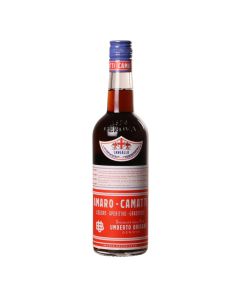 Sangallo Amaro Camatti 750mlAmaro Camatti is a Genovese specialty and a symbol of its maritime spirit. Created in 1923 by pharmacist Umberto Briganti and named after his wife, its healing properties included seasickness. Sangallo Distilleria took over production in 1994, remaining faithful to the original recipe that has a unique taste of china and gentian with menthol and amaretto. On sea or land, its great served chilled.AperitifItaly$85.00 As low as $76.50
 -
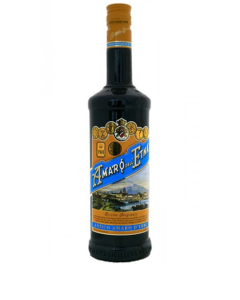 Amaro dell Etna 700mlAmaro dell'Etna has been produced in Sicily since 1901. It is made up of 26 herbs and aromatic plants mostly grown in the volcanic rich soils of Mount Etna in Sicily. It is macerated and aged for more than 2 months for maximum flavour and is a spicy version of Amaro with notes of licorice, tart rhubarb, cinnamon quills and most importantly Etna oranges. The finish is smoky and mineral and makes you think of the volcano itself.Italy$71.00 As low as $63.90