Eric Rodez Champagne, Grand Cru Ambonnay
Organic viticulture has become something of a catch cry in the modern wine world, but never have I seen a more profound statement of its impact than in Eric Rodez’s magnificently positioned vineyard of 6.5 hecatries on the glorious mid slopes of Ambonnay….The fanatical approach of this eight generation winegrower permeates every detail of his work, which embraces vinification in barriques, light dosages and a colossal resource of reserve wines spanning 20 years….salty mineralty and generous expression of one of Champagne's greatest grand crus sing through every cuvee. And sing they do. TYSON STELZER.
These are decisive but never heavy, showing Ambonnay’s skill at finding a balance between the two. JON BONNE
Éric Rodez’s champagnes feel crafted in the best sense of the word: they display a vinous intensity that obviously comes from quality work in the vineyards, yet they also demonstrate a sophisticated complexity and refinement that indicates a sure hand in the cellar…Anyone who thinks that monocru champagne is incapable of complexity and completeness, or that grower champagne is rustic and lacking in finesse, needs only to taste Rodez’s wines to see that neither of these need necessarily be true. PETER LIEM
Eric Rodez is mayor of the famous Pinot Noir-growing village of Ambonnay and a highly opinionated eighth-generation vine grower currently handing over to his son Mickael. This is a wine that’s rather like the popular (though probably inaccurate) Bollinger stereotype, providing lots to chew on with great density and a bone-dry finish but no shortage of refreshment. JANCIS ROBINSON MW
Éric, who started making his own Champagnes in 1984, is very much a terroiriste, creating complexity in his mono-cru wines by vinifying numerous different parcelles separately and using different winemaking techniques, including oak and a high amount of reserve wines from several years. ESSI AVELLAN MW
------
Rodez only has 6.5 hectares of vines in the Grand Cru village of Ambonnay. It’s a heavenly cru, where you’ll find big names like Krug (Clos d’Ambonnay), Egly Ouriet, Heidsieck and Selosse. Pinot is the main grape, nourished (or perhaps malnourished) by the chalky soils and meagre top soils.
While pinot takes the lead, 20% of the cru is planted to chardonnay, mostly by the older families of the area. The Rodez family has been here since 1757, so not surprising they also make a cuvee with chardonnay (Crayeres, more on this below).
There’s richness and incredible depth to these wines. Before Champagne, Eric Rodez worked in Burgundy and before working for his family he was at Krug. He's well known for being a protagonist of biodynamic farming, fermenting in oak and using a large dose of aged and reserve wines in his non-vintage cuvees to amp up their depth and velvety luxurious. He keeps his dosages low, walking that fine line between elegance and power. Oh, and he used to be the Mayor of Ambonnay too.
Today his son, Mickael is on board. Having started in the vineyards for the last few years, he has slowly been handed the key to the cellar. The fastidious vineyard work at this estate is carried into the winery too. In order to preserve the vineyard characteristics, from their 36 parcels of vines, they usually vinifiy 60 different wines, separated according to both parcel and vine-age!
Does Crayeres sound familiar? Egly Ouriet’s famed blanc de noir comes from this lieu-dit, it’s a stunning ambassador, but it sells for $1000 a bottle. Rodez’s Crayeres sells for $200. Same turf and both are fanatical farmers (Rodez adds chardonnay to his blend). Both share an intense chalkiness and soil-driven complexity.
Champagne critic, Peter Liem sums up the cuvees nicely:
Rodez’s 6 hectares are all in Ambonnay, and lie others, he sees Ambonnay’s terroir as one of elegance over power. His excellent nonvintage Cuvee des Crayeres demonstrates this, as does the silky, chalk-driven Blanc de Noirs. Particularly compelling is his full-bodied, sleekly shaped Blancs de Blancs, as it’s rare to see a pure chardonnay from Ambonnay. Rodez’s blending reaches its apogee with the Cuvee des Grands Vintages, which blends multiple vintage-quality wines together, some of which can go back a decade or more….His newest project, initiated in 2010 is a pair of single vineyard champagnes, both 100% pinot vinified in barrel without malolactic fermentation. Les Beurys comes from a parcel of near forty year old vines, and it feels elegant and lithe, emphasizing its finesse. In contrast, Les Genettes is larger in body with more concentrated flavors, reflecting its deeper soils.
These are riveting champagnes that combine delicacy and power effortlessly. They’re dry and salivating and showcase the Grand Cru slopes of Amobonnay beautifully. Best of all, they’re not crazily priced.
Cheers
Gabrielle Poy
PRODUCTS IN THIS OFFER
-
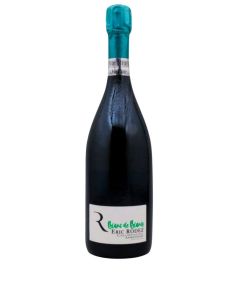 Eric Rodez Blanc de Blancs Grand Cru Edition 38
The 38th edition, the NV Champagne Blanc De Blancs 38 pours a bright yellow/platinum color and is highly toned initially. However, its underlying drive, reminiscent of Ambonnay power, is what gives this wine its character. It has notes of wet stones, lemon oil, fresh Meyer lemon, and white pineapple. It's so much fun to taste, and it's electrifying - the mousse enhances the electricity and energy of the wine yet has fabulous big energy without being austere. It's a beam of bright light, and it has length. AUDREY FRICKE
The NV Extra Brut Blanc de Blancs is made mostly from oak-vinified base wines without malolactic fermentation. Smokiness is all that subtly appears on the shy nose. The palate offers exquisitely fine mousse and more smokiness, and this is not your usual Blanc de Blancs because there is more body, more roundness yet boundless elegance. Concentration and depth are worn lightly. Bravo. Dosage is 2.5 grams per liter. ANNE KREBIEHL
$210.00 As low as $189.00 -
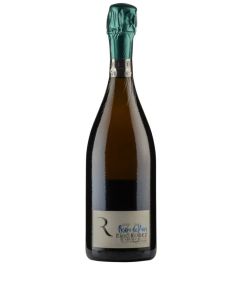 Eric Rodez Blanc de Noirs Grand Cru Edition 35The bright copper/straw-colored NV Champagne Blanc De Noirs 35 Brut is a blend of 2018, 2017, 2016, and 2015. It's medium-bodied but full-flavored, with a profound richness and oily texture. IT does have some suppleness, but the electric energy that moves through the wine gives it lift and energy, and it gradually reveals a whole other savory and mineral depth and persistence, lingering on the palate with pithy citrus, raw almond, red and black fruit, and brothy salinity. While it has the impression of volume, the mousse fills with a fine and rounded feel that frames the wine. AUDREY FRICKE
The NV Extra Brut Blanc de Noirs is a pure Pinot Noir largely fermented in oak with most of the wines having avoided malolactic fermentation. Creaminess and creamy oatmeal surround slight hints of plum on the nose. The rich and concentrated palate, with salty soy edges and caramelized apple, makes for intense savoriness. With Pinot-structure and undoubted power, this is nonetheless elegant and poised with bright, fine acidity. Flavors echo long and freshness simply lasts on this clear-cut, bold yet elegant wine. ANNE KREBIEHL MW
$225.00 As low as $202.50 -
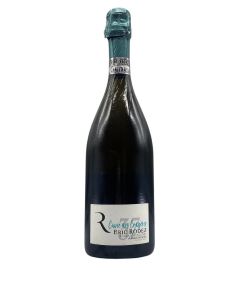 Eric Rodez Cuvee des Crayeres Grand Cru Edition 37Based on vintages 2020, 2019 & 2018
NV Extra Brut Cuvée des Crayères is a blend of 60% Pinot Noir and 40% Chardonnay. Some base wines were made in oak, and the blend contains between 40 and 50% reserve wines. Smokiness and red apple peel blend deliciously on the nose. The palate also unites apple peel and smoke on a beautifully concentrated, bright body that shines with freshness. The mousse is exemplary and fine, adding elegance. Dosage is 2.5 grams per liter. ANNE KREBHIEL MW
$170.00 As low as $153.00 -
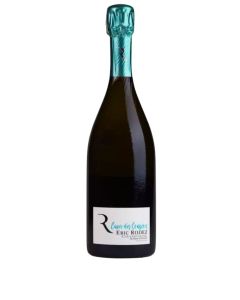 Eric Rodez Cuvee des Crayeres Grand Cru Edition 38Based on vintages 2021, 2020 & 2019
A bright, silver/yellow color, the NV Champagne Cuvée Des Crayères 38 exhibits light reduction, but also shows chalk and light smokiness. Offering notes of currants, cherry liqueur, and pure citrus oils, the palate has fantastic intensity and length. Precise and structured, this is a tremendous wine with a pinpoint peppery mousse and a long-lasting finish. It has wonderful, chiseled intensity and vibrant acidity throughout the palate. Dosage was 2 grams per liter. Drink 2025-2045. AUDREY FRICKE
$185.00 As low as $166.50 -
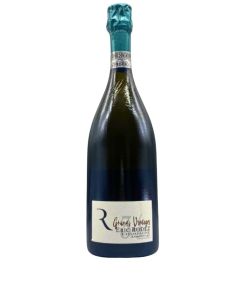 Eric Rodez Cuvee de Grands Vintages Grand Cru Edition 35
The NV Champagne Grands Vintages 35 is less about fruit and leans further into mineral depth. It's deep and persistent, giving it a more rounded, broader-shouldered feel, with notes of toasted almonds or walnuts, but it doesn't lack for energy. The mousse is elegant and pillowy, with all the energy and backbone of Ambonnay driving through a long finish. All of these blends benefit from air and time. Drink 2025-2045. The 35th edition of this cuvée, this is Pinot Noir-based with 30% Chardonnay, from 2015, 2016, 2017, and 2018. AUDREY FRICKE
$300.00 As low as $270.00 -
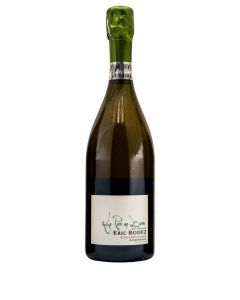 Eric Rodez Chardonnay Grand Cru La Pierre aux Larrons 2018The 2018 Champagne Blanc de Blancs Le Pierre aux Larois pours a brilliant silver/yellow color and is elegant and pure. It's graceful and pretty, with a fine, focused texture offering notes of lime, citrus, and fresh apples. Drink 2025-2050. This comes from three parcels with east exposition, where the vines grow in 35 centimeters of topsoil before reaching chalk, which contributes to the wine's very fine, focused texture. AUDREY FRICKE$450.00 As low as $405.00
 -
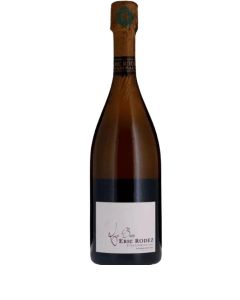 Eric Rodez Pinot Noir Grand Cru Les Beurys 2018A deeper copper but bright and clear color, the 2018 Champagne Blanc De Noirs Les Beurys is full and inviting, like a delicate, cuddly teddy bear, with a rounded and approachable mousse, and I feared I would drink it too quickly. The pillowy mouse is all violets, and the black fruit is very seductive and long on the palate. This is a gorgeous wine that I would be thrilled to have more of. AUDREY FRICKE$450.00 As low as $405.00