
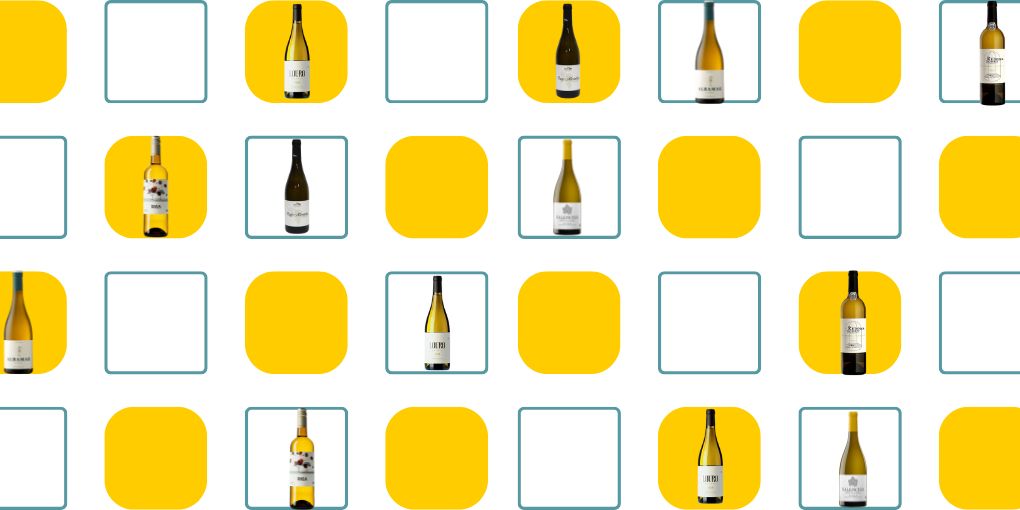
When it comes to white wines, the Iberian Peninsula is a treasure trove of diversity. From crisp and zesty to textural and complex, Spain and Portugal deliver a dizzying range of styles that are every bit as exciting as their reds but often overlooked. This six-pack is a celebration of that breadth, bringing together classic expressions alongside some modern rediscoveries and fresh innovations.
We’ve included three wines that showcase the region’s most established white traditions: Albamar’s Albariño 2023, a benchmark from Rías Baixas where Xurxo Alba has become a leading voice for purity and precision; Telmo Rodríguez’s ‘Basa’ Verdejo 2024, a vibrant and lifted expression from Rueda by one of Spain’s most dynamic and influential winemakers; and the Valenciso Rioja Blanco 2023, a more textural and fleshy take on Viura from one of the finest boutique estates in Rioja. Together, they represent the “classic canon” of Iberian whites.
To that we’ve added three wines pushing things in new directions. The El Pirata Palomino Vino de Pagos is part of an exciting new movement in Jerez, where winemakers are rediscovering Palomino as a still wine of place, rather than just for sherry. From Valdeorras comes Rafael Palacios’ Louro 2023, a mineral-driven, Godello that underlines why this grape is getting us so excited right now. And to round things out, Portugal’s Niepoort delivers the ‘Redoma’ Branco 2023, a wonderfully textured blend that shows why Dirk Niepoort remains one of the country’s most creative and respected winemakers.
This pack is a brilliant way to taste across Iberia’s white wine spectrum – from the familiar to something a little more surprising – and to see just how much excitement this part of the world has to offer when it comes to its white wine scene.
El Pirana Palomino Vino de Pagos
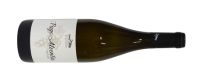
'El Piraña' is Juan Francisco Pulido and his wife Rosa. They've been making wine under their own label since 2022. Juan is from a long line of family growers who traditionally sold their grapes to the large bodegas of Jerez. Juan dedicated himself to viticulture in 2010, focusing specifically on their village, Trebujena and selling the wines locally - primarily as Mosto en granel (roll up with your flagons and casks and they're filled direct from cask for you).
Juan's main wine, el Primario (meaning both first and basic) is effectively a Mosto bottled after a fermentation temperature controlled at 18 degrees; no flor of course. It's aged' 8 months in stainless steel after it's finished and cleaned up, then later bottled (maybe we can call it an LBM: late-bottled-Mosto?). Floral with crackling wild apple … great crunch yet with plenty of texture; it's an utterly gorgeous drink! 2% Moscatel sits in it neatly.
Albamar Albarino 2023
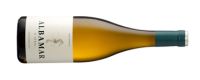
The 2024 Albamar is the entry-level white here, produced with grapes from different plots. It's still very young, but it has no reduction. It is a bit shy but shows clean and precise, serious and austere beyond the varietal notes, with good ripeness and very good balance and a dry, chalky finish. It has 13% alcohol and integrated acidity. I think 2024's main characteristic is balance.
As I often explain, tasting the wide range from Xurxo Alba Padín is always like a fun rollercoaster ride; the wines have personality and are different. The range only seems to be getting wider and wider. He has 10 hectares of vines and buys some grapes, mostly from the village of Castrelo, and he produces 110,000 to 125,000 bottles, depending on the vintage. LUIS GUITERREZ, The Wine Advocate
Rafael Palacios Louro Godello 2023
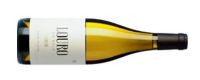
The young, balsamic and still faintly medicinal entry-level white 2023 Louro is dense, ripe and powerful at 13.9% alcohol, pungent and intense with a bitter twist in the finish. It’s very tasty, almost salty, with cleanliness and precision, combining power with freshness and elegance. This is quite impressive and a preview of the rest of the 2023s to come. LUIS GUTIERREZ, The Wine Advocate
Rafael Palacios is one of the established stars of the Spanish wine scene. Since 2004 he’s worked exclusively in the small, back then unknown town of O Bolo in the upper reaches of the Valdeorras zone of Galicia.
Biodynamically farmed and using 3,500l oak foudre, Louro manages to convey a huge amount of flavour for the entry level wine of Rafa's collection: Texturally there's enough there to recall old world Chardonnay, with subtle, just ripe orchard fruit hanging along a fresh acid line who's slight saline touch recalls the granite soils of the O Bolo. There's a certain tertiary note of forest and moss that adds to the complex nature and old-world vibe of Louro.
Telmo Rodriguez 'Basa' Verdejo 2024
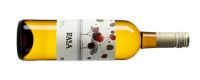
Basa is based on organically-grown 40 year-old bush-vines grown at 750 metres altitude, and cropped at about 1kg/vine. Basa is all about perfectly balanced sugar/acid/tannin in the berry which is then carefully nurtured into balanced wine, with no additions in the winery (save for a small amount of necessary sulphur at bottling). A great all-rounder with food, Basa’s primary attribute is natural acidity, so it doesn’t get cloying, metallic or soapy … no matter how many bottles are gone through! Basa is a not-so-fruity Rueda Verdejo with 20% Viura in the mix finessing extra palate nerve.
Verdejo, like Godello (and some folks do confuse the two) tends to be front-palate heavy and a bit vague at the back; Viura, while relatively characterless is an excellent natural dilutant and serves to bring Verdejo down and stretch it out. Basa used to feature a little Sauvignon Blanc in the blend to add extra length, nerve and snap to the finish; however, the lessons learned from big sister ‘el Transistor’ (see here) have helped Telmo and Pablo texture and lengthen the Verdejo to the point where the Sauvignon in blend is not necessary. Basa is fermented in a mix of large wooden vats, concrete and stainless steel tanks.
Now without any Sauvignon, this gorgeous dry-grown Verdejo is blended with a little of floral Viura to lighten and lift. Basa is lovely, uncomplicated, and texturally pleasing. Basa smells of feijoa and fresh-cut pear with the faintest tropical wash and a gentle green herb tuck. The palate is mid-weight and of good length with a great mix of fruit flesh, earth and gently nutty tannin running out on natural acid. Textured without overt fructose, it’s savoury, with minerality and good length, and perfectly blends richness and line
Valenciso Rioja Blanco 2023
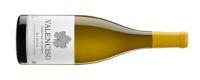
Light meringue on the nose with hints of marzipan, wet stones, fine lees and white fruit. Fresh and effortless on the mid-weighted palate, showing nice fluidity, good freshness and balance. Lightly minerally and creamy in the finish. Viura and garnacha blanca. Drink now or hold. JAMES SUCKLING
New. White Rioja is (back) on a roll and today is responsible for a sizeable proportion of Spain’s finest white wines. Valenciso was one of the first of Rioja’s modern classicists to recognise the vast potential of the region’s patrimony of old-vine Viura and Garnacha Blanca planted in the stony soils of the Rioja Alta. This super-classy white from 100-plus-year-old vines of Viura (70%) and Garnacha Blanca (30%) was grown on four small pockets of ancient, low-yielding highland vineyards around Rodezno, Haro and Villalba, all within a short drive from Valenciso’s cellar in Ollauri.
Niepoort 'Redoma' Branco 2023
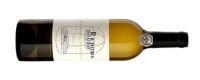
The white 2023 Redoma Reserva Branco unfurls layers of added complexity tasted next to the Redoma Branco from this same vintage. They use older vines for this, a selection of vineyards from the zone of Murça, a sort of premier cru if you like. It fermented and matured in used and slightly younger barrels for nine months. It comes in at 12.5% alcohol and is spicy, floral and herbal, with notes of green tea and pollen, a smoky twist and a balanced and streamlined palate with fine minerality, fine-grained and with a dry, tasty finish. There are 35,000+ bottles, the biggest crop ever. It was bottled in July 2024. (95) LUIS GUTIRREZ, The Wine Advocate
Niepoort has been an independent family business since 1842. Through five generation the business has passed from one Niepoort to the next and in most cases the older and younger generations worked side by side for a long period. The fifth generation, Eduard Dirk Niepoort is now head of the business. Dirk joined his father Rolf in the family business in 1987, and set about adding a viable table wine wing to the long-standing Port operations.
The vineyards for the Redoma White are from 400 to 800 metres altitude in the Douro Superior. Here the schist is pale brown with mica. These are cooler soils (particularly at night), allowing longer ripening with retained acidity. The vineyards are over 60 years old, some of more than 100 years. The main variety is Rabigato, with Codega and others. The wine is fermented then aged (without malo) for 8 months in French oak barrels. A ‘Redoma’ is a Cloche-glass dome, and the name (for both white and red) refers to the preciousness inside the glass, not what’s projected from outside.
PRODUCTS IN THIS OFFER
-
 September Premium Six Pack 2025 - Iberian Premium WhitesSpecial Price $299.00 Regular Price $358.00