Hiedler
A decade ago, Ludwig Hiedler, who since taking control of his family’s estate in 1980 has prided himself on his experimental nature and highly distinctive vinous results, undertook a fundamental rethinking of his cellar principles. How many chemical and mechanical accretions of modernity could he strip away, he wondered. The regimen he arrived at included spontaneous, slow fermentations, typically accompanied by malolactic transformation, and extended lees contact before going to bottle after anywhere from 6 to 18 months, but inevitably late by prevailing Austrian standards. Concurrently, Hiedler worked his way ever closer to organic viticultural practices, and treated botrytis with relative lenience. In consequence of these new millennial developments, he can be proud of wines that are more distinctive than ever. DAVID SCHILDKNECHT, Vinous Media
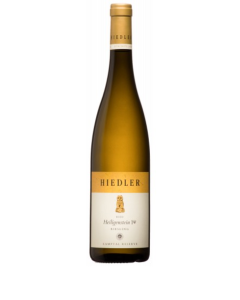
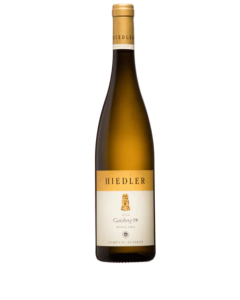
Ludwig Hiedler, since recently forming a tandem with Ludwig Jr, has again produced a lovely range of crus that are characterized by their round juiciness, richness and concentration as well as their frisky vitality, structure and hidden purity, finesse and precision. All the grapes are slightly crushed to extract as much from the skins as possible, which gives the wines a special mouthfeel. The Rieslings from the Heiligenstein and the Gaisberg as well as the Grüner Veltliner from the Thal are great and age-worthy. STEPHAN REINHARDT