

One of our favourite packs of the year, and really, how can you not fall in love with the wines of Italy? Few countries offer such a breadth of styles and flavours, from alpine freshness to sun-soaked Mediterranean richness, all driven by an extraordinary diversity of grape varieties. Italy remains one of the world’s most compelling wine cultures, with nearly 500 native grape varieties, delivering everything from everyday charm to profound, age-worthy bottles, often with a sense of place that’s unmistakably Italian.
This year, we wanted to push the boundaries a little with a mixed dozen that balances the familiar with the unexpected. Think of it as two halves: six classic Italian styles, six more esoteric or lesser-known varieties and styles that highlight just how fascinating Italy’s wine landscape really is.
On the more adventurous side, we’ve included things like grechetto from Umbria, an ancient variety that delivers floral, zesty whites with real charm, alongside gecorino, whose lemony brightness and mineral edge make it one of Italy’s most exciting modern white wine stories. For reds, a beautifully crunchy nerello mascalese from Sicily offers snappy freshness, vibrant acidity and a subtle earthy edge, light on its feet, yet packed with flavour. We’ve also included a high-altitude Nebbiolo made in a lighter, chillable style: lithe, aromatic and effortlessly refreshing, showing a different side to this noble grape. Of course, there is plenty more here to explore.
The classic selection leans into some of our favourite Italian styles, made by producers you may be unfamiliar with, but who are quietly doing great work. There’s a crisp, mineral Soave (because how could you not), and a brilliant Pinot Bianco from the eastern hills, perfect for summer sipping. The reds stay vibrant and drinkable, with a lively Valpolicella and a terrific Dolcetto from its quality heartland in Dogliani. For those who prefer a little more richness, we’ve added a generous new Chianti we’re loving, along with one of our favourite Montepulciano producers.
Rounding out the “classic” side is something a little different but deeply Italian: a cracking vermouth from Turin. Some might argue this belongs in the esoteric camp, but vermouth was born in Italy, and this bottle, served over ice with a splash of soda, is one of the great warm-weather aperitifs.
Altogether, this is a brilliant cross-section of Italian wine, with something for every palate and plenty to spark curiosity. Whether you’re here for the classics or the discoveries, or a little of both, this dozen celebrates everything that makes Italy such an endlessly fascinating place to drink from.
Turin Vermouth Drapo Vermouth Bianco 16% alc
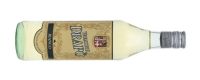
Born in Turin, the city where the deep roots of Vermouth originated back in 1786. The name "TURIN VERMOUTH" takes inspiration from the historicity of the fine products produced from secret family recipes and the liqueur tradition of the Piedmont capital.
The production comes exclusively from Piedmontese territory with the main raw material of Artemisia Absinthium grown or harvested in Piedmont, moreover, only sugar, grape must, caramelized sugar or honey can be used as a sweetener. Composed of at least 50% of wines produced in Piedmont and flavored, even if not exclusively, with herbs grown or harvested in Piedmont. It's pretty special stuff and an obvious choice for Stage 3.
Now, the question is do you want to just enjoy it on ice with a slice of lemon or do you want something with a little more oomph? Either way, you will love it and while we would prefer the former if we were sitting in some summer Italian sun we might be up for a white Negroni. So if that's your bag check out the recipe below.
30ml gin - Haymans is our choice
30ml Turin Vermouth Drapo Vermouth Bianco 16% alc
20ml Lillet Blanc
15ml grapefruit juice, freshly squeezed
1 grapefruit peel, for garnish
Combine and stir gently but patiently in a rock glass then garnish with citrus peel
Podere 414 Grechetto IGT 'Costa Ovest' 2024
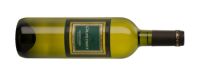
Podere 414 was the plot number allocated to this piece of land by in the 1960’s, during the division and redistribution by the government of much of the Maremma to farmers. These farmers inherited totally wild and uncontaminated lands composed mainly of forests and pastures and adopted an almost exclusively subsistence farming model.
In 1998 Simone, together with wife Mara, purchased the plot known as 414 and set about planting the varieties most suitable to the character of Maremma to produce a wine that is indisputably Mediterranean in character (generous in colour, aroma and body) without losing its elegance.
Petilia Falanghina 2024
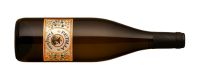
[PREVIOUS VINTAGE] Just the ticket for characterful everyday drinking. Saline and prodigiously thirst-slaking. Simplicity, a benefit rather than a bane. A mid-weighted lightning rod of energy that is juicy, succulent and vibrant. Almond meal, dried tatami straw and preserved lemon accents teem long, the acidity a gentle clatter across the finish rather than anything hard or brittle. There is little that comes close to this for the price. Drink now. NED GOODWIN MW, JamesSuckling.com
Petilia's story is woven into the very fabric of Greco di Tufo and this wine encapsulate brilliantly what these wines can be when this variety and place come together under the watchful eye of a producer of this calibre. Drink this with abandon, enjoy it with a wide range of fare, it's freshness and structure give it a wide zone to play in
Energetic and brimming with life. Crisp, fresh pear. Schweppes Bitter Lemon served with a salt rim and a big twist. A slice of frangipane tart and a lovely powdery goodbye.
Poggio Anima Pecorino 2024
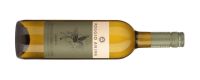
Ever tired pecorino? You have to give it a go. The ultimate summer drinking. Bright and mineral with lifted citrus blossom, lemon oil and stone fruit with a quietly complex nose. Notes of lemon zest, white peach and green apple are underpinned by subtle floral and herbal nuances. There’s a salty, mineral thread through the palate, balanced by subtle texture and a clean, refreshing finish. Pecorino shows its classic combination of tension and texture here, while a gentle phenolic grip adds structure and length. A brilliant match for seafood.
Poggio Anima is a collaborative project born from two genuine wine obsessives: Riccardo Campinoti of Le Ragnaie in Montalcino and his long-time U.S. importer, Ronnie Sanders of Vine Street Imports. Rather than building another estate from scratch, the idea was simple and transparent—work with cool, interesting vineyards and trusted growers to make wines that honestly express grape and place.
These are not bulk blends or anonymous négociant bottlings. Each wine comes from long-standing relationships with growers who farm exceptional sites across Italy, with Riccardo guiding the winemaking to ensure clarity, character, and authenticity. The result is a range of thoughtful, site-driven wines that offer a genuine sense of origin, without the pretence.
Montresor Pinot Bianco 2024
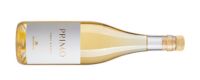
La Bacca is a small Sicilian producer working with vineyards on the slopes of Mount Etna, one of Europe’s most dramatic and distinctive wine regions. Etna’s terraced vineyards sit at altitude on ancient volcanic soils, with marked diurnal temperature shifts that preserve acidity and aromatic detail despite Sicily’s warm climate. Producers here are increasingly focused on expressing individual contrade (crus) and the unique mineral signature of volcanic terrain.
La Bacca focuses on local varieties, particularly Nerello Mascalese, Etna’s flagship red grape, which thrives in the region’s cooler, elevated sites. The wines are typically made with a light touch—gentle extraction, restrained oak and an emphasis on freshness and transparency—reflecting the modern Etna movement that values elegance over power. La Bacca’s Etna Rosso sits firmly in this contemporary style, showcasing the finesse and volcanic character that have made Etna one of Italy’s most exciting wine regions.
(If you’d like, I can tailor this further once you confirm the exact subzone/contrada or importer tech sheet details.)
La Bacca Nerello Mascalese – Tasting Note
Lifted and perfumed, with aromas of wild strawberry, sour cherry and rose petal, layered with subtle herbal and smoky notes. The palate is light on its feet and vibrant, with crunchy red fruit, fine tannins and a distinctive mineral edge that speaks clearly of Etna’s volcanic soils. Fresh acidity and a savoury, lightly earthy finish make this a beautifully drinkable, chillable red that punches well above its weight.
Campagnola Soave Monte Foscarino Le Bine 2024
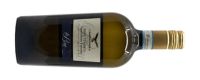
What a lovely little drop that combines generosity of fruit with a lovely lithe mineral element. Peachy fruits, a touch of nashi pear, a little sprinkle of quartz-like mineral spice and a zesty kick. Mid-weight fruit, soft and plush with lovely weight but plenty of freshness too. This one will be a staple in the fridge over summer - that's a guarantee!
Giuseppe Campagnola is a long-established, family-run winery based in Marano di Valpolicella, at the heart of the region best known for Amarone. Founded in 1907, the estate has been shaped by five generations of the Campagnola family, who continue to focus on wines that reflect the traditions, craftsmanship and terroir of Valpolicella. What began as a small local operation has grown into a respected regional producer, while remaining closely connected to its growers and family heritage
The wines balance richness and structure with freshness and elegance, capturing both the power and refinement that define the best expressions of Valpolicella. Today, Giuseppe Campagnola is recognised as a benchmark producer in the region, embodying both the heritage and ongoing evolution of one of Italy’s most important wine landscapes.
La Bacca Nerello Mascalese 2024
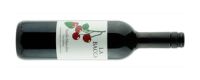
La Bacca is a small Sicilian producer working with vineyards on the slopes of Mount Etna, one of Europe’s most dramatic and distinctive wine regions. Etna’s terraced vineyards sit at altitude on ancient volcanic soils, with marked diurnal temperature shifts that preserve acidity and aromatic detail despite Sicily’s warm climate. Producers here are increasingly focused on expressing individual contrade (crus) and the unique mineral signature of volcanic terrain.
La Bacca focuses on local varieties, particularly Nerello Mascalese, Etna’s flagship red grape, which thrives in the region’s cooler, elevated sites. The wines are typically made with a light touch—gentle extraction, restrained oak and an emphasis on freshness and transparency—reflecting the modern Etna movement that values elegance over power. La Bacca’s Etna Rosso sits firmly in this contemporary style, showcasing the finesse and volcanic character that have made Etna one of Italy’s most exciting wine regions.
Lifted and perfumed, with aromas of wild strawberry, sour cherry and rose petal, layered with subtle herbal and smoky notes. The palate is light on its feet and vibrant, with crunchy red fruit, fine tannins and a distinctive mineral edge that speaks clearly of Etna’s volcanic soils. Fresh acidity and a savoury, lightly earthy finish make this a beautifully drinkable, chillable red that punches well above its weight.
Castino Rus Nebbiolo 2024
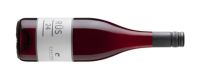
OK this is such a cracking little summer number perfect for the fridge and a little lefy of field stylistically speaking but just such a great drink. Lively ruby red, with light violet reflections, intense scent with raspberry, rose and hints of violet. Full, crunchy-dry, lovely balance and freshness with a lingering red berry coulis and crab apple chalkiness. Serve chilled to get the most out of this. A little surprise for your palate.
Castino Rüs is a small, family-run estate based in the Alta Langa hills of Piedmont, an area better known for hazelnuts and sparkling wine than for still wines, but increasingly recognised for its cool-climate potential. The property sits at higher altitude than much of the Langhe, with vineyards planted on steep slopes and exposed to cooler temperatures and significant diurnal shifts. These conditions favour freshness and aromatic precision, giving the wines a distinct profile within the broader Piedmontese landscape. Here lies its secret!
The estate focuses on local varieties such as Dolcetto, Barbera and Nebbiolo, alongside small plantings of aromatic whites, farming with a hands-on, low-intervention approach in both vineyard and cellar. Winemaking is geared toward transparency and drinkability, with gentle extraction and restrained use of oak to preserve site character. Castino Rüs has quickly built a reputation among sommeliers and importers for producing honest, characterful wines that reflect the often-overlooked potential of the Alta Langa.
Astrale Chianti DOCG 2024
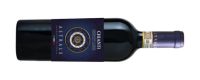
90% Sangiovese, 5% Ciliegiolo, 5% Canaiolo
The director,creator and winemaker of Astrale is Peppe Randazzo, an oenologist from the Sicilian town of Avola. Peppe has embarked on a long journey that has taken him across the four corners of the globe, from California to New Zealand, to the heart of Tuscany. In all of his oenological adventures, he’s always been inspired by authenticity, attention to detail, and the immense potential that lies behind every single grape.
He's bought an incredible depth of knowledge and know-how with him and it shows. This is a modern and fresh Chianti that doesn't shy away from lush, generous fruit and plenty of vivacity whithout sacrificing regional character. That's not always an easy task at this price-point but wow does it deliver. Everything you could want in this kind of wine - eminently smashable but loaded with charm.
A rather traditional blend that leans into the savoury and structural elements that the small amounts of Ciliegiolo and Canaiolo bring. A little fresh leather and fresh tobacco are spinkled over blakc plumb and ark cherry fruit with a little white pepper higtone element too. A plush and smooth palate with succulent fruit to the forte that slowly slips away to reveal those wonderful earthy savoury notes that sangiovese does so well. We think you will be coming back for a little more of this bad-boy.
Terre Dei Rumi Montepulciano d'Abruzzo 2023
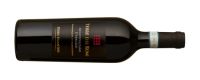
Feudi Bizantini is a young project founded by a group of wine lovers whom have joined their efforts to produce wines that show the best of the Abruzzo region. Here, all their wines show individual personality and are really approachable from the moment you open them. This wine undergoes 15-20 days maceration followed by 4 months in oak to add a little softness and round out the tannins.
If you like Sangiovese you will love this great little drop form Tuscany's next door neighbour in Abruzzo. Wild black cherry conserve and ground spice with fresh herbs on the nose. The palate follows through with similar spiced black cherry and wild dark forest fruits which are nicely sweet with a layer of fine, rich tannins that buoy the juicy fruit. A great example of this sometimes-under-the radar region.
Tedeschi Lucchine Valpolicella 2023
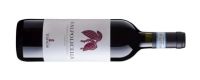
Crisp and simple aromas and flavors of light bramble berries, pomegranates, potpourri and geraniums. Acidity-driven, with a light body and soft tannins. A super-easy, laid-back style with light sour cherries and a short, juicy finish. Very little tannin. Drink now. Screw cap. JAMES SUCKLING
Through their innovative approaches and respect for tradition, Tedeschi has set a benchmark for quality in the region. DECANTER
Tedeschi bridges the gap between artisanal growers and larger commercial houses effortlessly. Family records and the estate trace activity to the 1600s; the business form we recognise today dates from the 19th century. Today Riccardo Tedeschi heads up the production and growing for the estates. Their approach blends deep respect for tradition with a spirit of research and innovation — a nod to their pioneering roots and an ongoing pursuit of quality.
Chionetti Dogliani i Dogliani San Luigi 2021
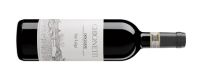
The 2021 Dogliani San Luigi is super-expressive right out of the gate. Succulent dark cherry, plum, spice, leather, tobacco and incense give this mid-weight, fleshy, Dogliani notable depth. Creamy and layered, with fine balance, the San Luigi is a winner. ANTONIO GALLONI, Vinous
A deeply rooted family estate in the southern Langhe, Chionetti is one of the historic names of Dogliani and among the key producers to have elevated Dolcetto from everyday quaffer to serious, site-driven wine. The Chionetti family’s connection to viticulture dates back to the 19th century and by the mid-20th century, Chionetti was one of the pioneering estates bottling Dolcetto under their own name, and among the first in Dogliani to highlight individual vineyard sites on their labels. Today, the fifth generation of the family continues the legacy, with Nicola Chionetti overseeing the estate and expanding the range to include Barolo alongside the core Dogliani wines.
Dolcetto remains the heart of the domaine, but the family also cultivates othere varietals from the region. Farming is conducted with an emphasis on sustainable and organic practices, and the wines aim to express the nuance of Dogliani’s varied soils and exposures.
The wines have beautiful balance and freshness, while embracing dolcetto's wirey structure and terroir expression. Its Dogliani with depth and mineral tension, rather than simple fruit-driven Dolcetto which makes the estate one of the most compelling modern references for the appellation.