
Coursodon Rhone - Whites & Reds
'...the Coursodon wines are marked by purity, ripeness.' JOE CZERWINKSI
One of my favorite estates in the Northern Rhône is that of the young Jerome Coursodon, who makes a bevy of brilliant St Josephs from his roughly 16 hectares of vines. He’s another progressive winemaker who has one foot in the past and one foot in the future, and the wines shows impeccable purity of fruit while remaining classic St Joseph. Don’t miss these wines! JEB DUNNUCK
One of the reference points in Saint Joseph, the Coursodon wines are marked by purity, ripeness… JOE CZERWINSKI
Jérome Coursodon’s fruit-forward wines fly under the radar in the US, but that’s not the case in Europe. He told me that he typically sells all of his wines within a couple of months of bottling, but he holds back about 10 percent of his production to offer to visitors who drop by the family cellar in Mauves. Coursodon likes to bottle his wines on the early side “to preserve the freshness and let the wines age in bottle, not in barrel.” While my experience with older bottles from this 16-hectare domain (13.5 planted to Syrah and the rest to Marsanne and Roussanne), both red and white, has proven that the wines do age well, I personally prefer to drink them on the young side, for their dynamic fruit. JOSH RAYNOLDS
22 Vintage: As in all the northern Rhône this year, vine age was an important variable, as the older vines certainly performed much better than young vines. Overall, there should be something for everyone in 2022, with plenty of fruit-forward, readily enjoyable wines as well as some denser, more robust, tannic wines. Special mention must go to Domaine Coursodon, who produced some wonderful wines, as did Gonon and Jean-Louis Chave. ALISTAIR COOPER MW jancisrobinson.com
21 Vintage: 2021 was a welcome break for the vines and is reminiscent of vintages from the 1980s and 1990s, with much lower alcohol levels… a vintage with some jolies choses (pretty things) and a higher level of aromatics than the sunbaked vintages. JOHN LIVINGSTONE LEARMONTH
-----------------
Recently I was at a trade day tasting with a slew of great Aussie and international winemakers pouring their wares. I was catching up with one of these talented winemakers (he’s one of our best) when he said- ‘Gabs, had a bottle of Coursodon St Joseph last night at France Soir and it was ripping, how many can I buy?’ He also mentioned how it was better than a few other ‘cult’ producers in the region. Bingo bango –after working with these for over 15 years the cat is out of the bag on how great the northern Rhone wines of Coursodon are.
We visited Jerome Coursodon last May on a Sunday and he drove us up into his vineyards in St Joseph. The fact that he’s French and working on a Sunday says a lot! Jerome has taken over from his father and they have vineyards in the historic heart of St Joseph – before the region was expanded (from six villages to 25 in 1969) and the signature terroir diluted. Mauves and St Jean de Muzols are where it’s at here at Coursodon.
The vineyards are incredibly steep at the top of Mauves (see video) and St Jean de Muzols. Granite is the keystone, along with clay, round stones and loess- depending on the particular site. It’s taken longer for St Joseph to reclaim its glory since it was wiped out with phylloxera, but it offers a unique expression of syrah, marsanne and roussanne. John Livingstone Learmonth in his book, The Wines of the Northern Rhone writes, ‘…the tannic structure brought out by the granite is one of order and definition. It places a frame around the wines that keeps them tidy, subtle and ready for an evolution that turns fulsome youth into a complex middle age. The tannins give these wines a slightly pesky side, the fruit is grainy, a little taut at times, but always the aroma is vibrant and layered, never monotone.’ Herein lies the beauty of St Joseph.
Today we’re offering the 22 whites and 21 reds. 22 was a warm and early vintage yet the wines quiver with vibrancy and pithy phenolics. Perplexed we asked Jerome how this happened – he laughed saying ‘I know I know, I can’t explain it but I am very very happy. It’s like the vines are balancing themselves after a string of warm vintages – with 21 being the exception.’
For the whites, Etincelle is a blend of roussanne and viognier grown on granite soils at high altitudes. It snaps with a crunch on the palate, while an enticing core of spiced stonefruits and honeysuckle simmers in the background. It’s incredibly delicious, walking the tightrope between perk and generosity.
And for the first time to Australia, we have his top white, St Joseph Blanc 'Le Paradis Saint Pierre' 2022 – an opulent marsanne dominant blend with a splash of roussanne which only hedonists should consider. Part comes from Mauves with the other sourced from the famous St Joseph lieux dits, which many regard as ‘a mini Hermitage.’ The always thoughtful Jerome explains, ‘We vinify the white Paradis St Pierre in oak for richness, and then expect the granite to provide freshness.’
To the 21 reds, both are 100% syrah and no whole bunch was used in this classically styled vintage. Silice is from the top of Mauves, offering an immediate burst of soaring freshness with purity and precision. As Jeb Dunnuck says, ‘up-front, charming, layered 2021 that certainly stands out in the vintage.’
L’Olivae comes from older vines planted in the 1940s and 70s at a very steep single lieu-dit at the top of the village of St-Jean de Muzols. 70-year-old vines imbue streaks of minerality tamed by dark berries and subtle florals. The granite grapples with the flesh making this a deliciously tortuous syrah.
These are sensual northern Rhones, they marry fruit and craft beautifully. As noted earlier, Jerome likes to bottle his wines early to capture freshness and a little pent-up energy in the wines. They’ll age nicely they both vintages offer immediate appeal in their own way.
Cheers
Gabrielle Poy
PRODUCTS IN THIS OFFER
-
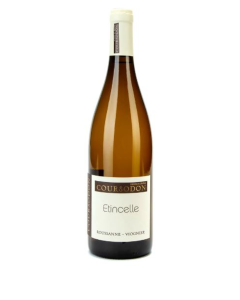 Coursodon Vin de France Etincelle Blanc 2022A viognier dominant wine supported by Marsanne from a high altitude vineyard at the to of Mauves on the border of the appellation. This medium-bodied white Rhone is a delight, because it is brimming with fresh stone fruit aromas. …the balance of ripeness and spring-like freshness is spot on. A cuvee of roussanne and viognier grown on granite soils at high altitude. Vinified only in stainless steel. Drink now. STUART PIGGOT
$65.00 As low as $58.50 -
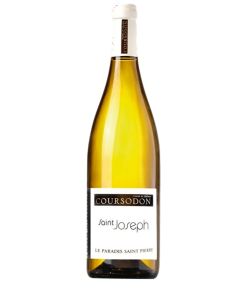 Coursodon St Joseph Blanc 'Le Paradis Saint Pierre' 202290% Marsanne and 10% Roussanne from 50-80 year old vines from Paradis and Saint-Joseph granite sites raised in 10% new oak.
The 2022 Saint Joseph Le Paradis Saint Pierre Blanc is even better, and it's up with the finest Saint Joseph Blancs I've ever had. Quince, honeyed minerality, toasted spice, and green almond-like nuances all define the nose, and its more Hermitage Blanc than Saint Joseph Blanc with its medium to full-bodied richness, gorgeous overall balance, and incredible length. It has some background oak and will benefit from a year or two of bottle age, but I suspect it will have over a decade of prime drinking. Don't miss this beauty. (97) JEB DUNNUCK
$160.00 As low as $144.00 -
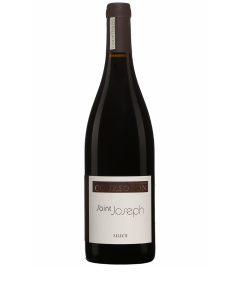 Coursodon St Joseph Silice 2021
JEROME COURSODON
Younger syrah vines planted on schist and granite at the top of Mauves
The 2021 Saint Joseph Silice is also beautiful, with a round, supple, layered style that shines in the vintage. Black raspberries, spice box, dried flowers, and hints of violets give way to a medium-bodied, up-front, charming, layered 2021 that certainly stands out in the vintage. JEB DUNNUCKComplex nose of black pepper, fresh sage and thyme with restrained wild blackberry fruit. Still tightly wound but with intense stony minerality, this is an exciting wine ... Long very straight, clean finish. Drink or hold. STUART PIGGOT
Tasted blind. Ripe fruits on the nose, blackcurrant, blackberry, gravel, tar and sweet spice. The palate is silky with supple tannins, sweet ripe fruit, grilled meat and good concentration of fruit. Ripe, structured and should age well. ALISTAIR COOPER MW
Domaine Coursodon is a fifth-generation family estate based in Mauves, at the heart of Saint-Joseph in the northern Rhône. Today, Jérôme Coursodon crafts expressive, terroir-driven wines from steep, granite-rich slopes, focusing solely on the Saint-Joseph appellation. His reds and whites are refined and pure, capturing both the power and elegance that define this storied region.$90.00 As low as $81.00 -
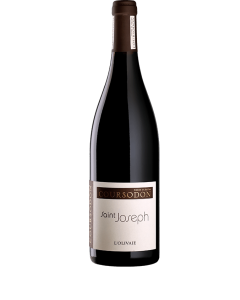 Coursodon St Joseph l'Olivaie 2021
From a steep lieux dits, L’oliveie at the top of St Jean de Muzols from syrah vines planted in the 1940s on shallow granite soils
The 2021 Saint Joseph L'Olivaie is rock-solid, offering pretty darker cherry and fresh fig-like notes as well as spice, game, and flowery incense nuances. This medium-bodied, supple, nicely balanced, and textured effort has outstanding potential and will certainly drink nicely right out of the gate. JEB DUNNUCKTasted blind. Perfumed nose, violet, rose petal, damp earth and black pepper. Good fresh acidity and a tightly wound core of dark fruits with a smoked ashy note – pepper, spice and good intensity of dark fruits. Vibrant and robust, fine tannic structure should see this age very well. ALISTAIR COOPER MW
$130.00 As low as $117.00