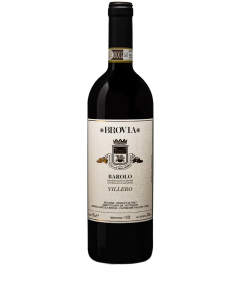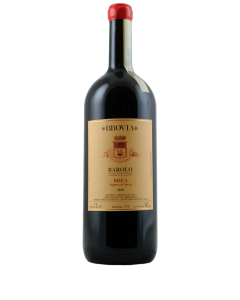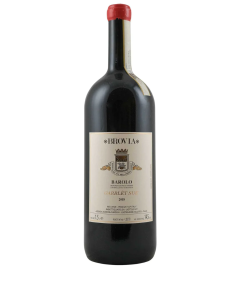
Over the last few years this estate has turned out a number of terrific wines that exemplify the new traditionalism of Barolo, faithfully expressing the distinct qualities of varietal, vintage and terroir in a style that is classic yet accessible at the same time. The estate works with old vines in some of the most prestigious sites in Castiglione Falletto and Serralunga. The average age of the plants is 30 years for Garblèt Sué (also known as Bricco Fiasco), 40 for Villero and Rocche, and 50 for Ca' Mia (also known as V oghera/Brea). Readers seeking fine, traditionally made Barolos would do well to check out these wines, which also happen to be among the most compelling values in the region.
This producer's normale is one of the best-kept secrets in the region. It is made from the wine that is leftover after the casks used for the single-vineyard Barolos have been filled up, along with fruit from vines between 15-25 years in all four of the estate's vineyards.
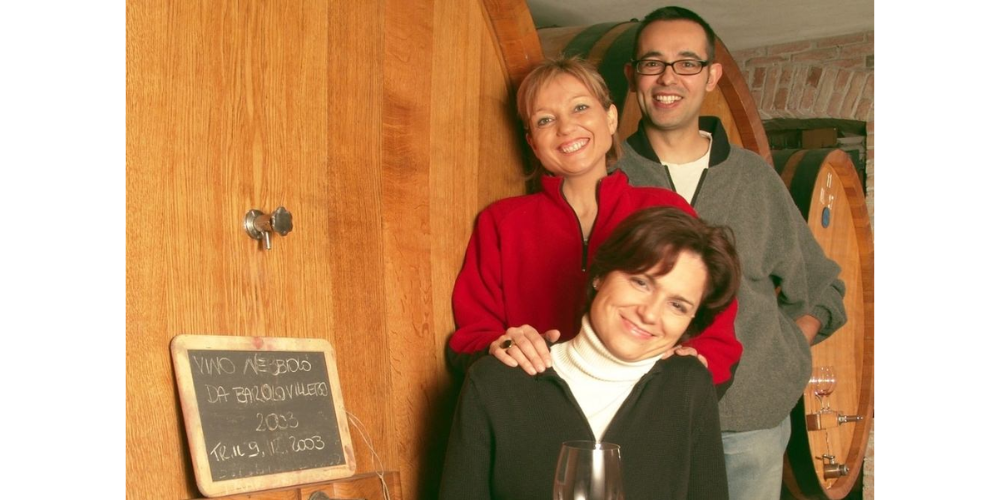
The Brovia wines have often been outstanding, but over the last two decades or so, quality and consistency have both surged, placing this small, family-run estate in the upper echelon of Barolo producers.
The Brovia Barolos remain very much classic, structured wines that capture the essence of some of the best sites in the region. In warmer vintages, the wines can drink well early, but history has shown these Barolos enter the sweet spot around age 10-15. Rocche is the most open of the four vineyard designates in its youth, so it is the perfect Barolo with which to explore the house style. Brovia remains one of the Piedmont’s great historic families. Quality has never been higher and prices remain exceedingly fair considering the quality of what goes into the bottle. ANTONIO GALLONI