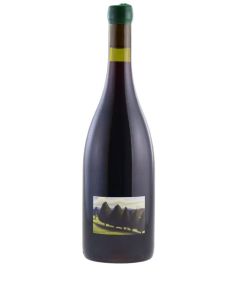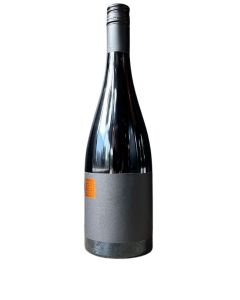

The story of Pinot Noir’s evolution in Australia has been one of discovery, trial, error, travel and much more. Understanding climate, clone, soil, oak selection and the various other variables this fickle grape is susceptible to has taken time, but Australia is now seeing the high quality fruits of its labour. Fine, detailed, ethereal, long, and ageworthy are all words worthy of applying to the high quality examples coming out of Australia. TOM KLINE, Jasper Morris
Mornington Peninsula
Just over an hour from Melbourne, this coastal region is blessed with beauty and the potential to make great wines. Small wineries and a patchwork of vineyards make up the region, and it’s commonly acknowledged there is a divide between the cooler vineyards around Red Hill on the coast and those tucked inland such as Moorooduc where coastal breezes don’t reach as far.
There’s also a slew of welcoming cellar doors, many with restaurants and even art galleries and parks. This is a well-travelled playground for many Melburnians and tourists heading out of the city for a day trip. A beautiful combination of culture and beauty you can take in with a glass of something special in hand.


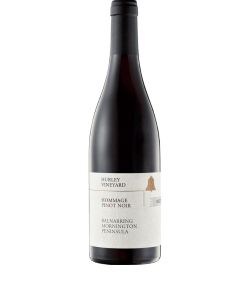






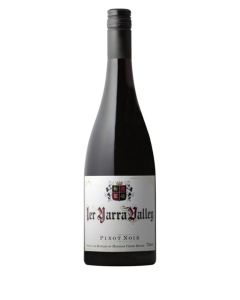
Yarra Valley
Steeped in history, Yarra Valley was founded by Swiss settlers back in the 1800s. It escaped the blight of phylloxera in the early 1900s which wiped out most of the vineyards in Victoria and NSW (South Australia was spared due to strict quarantine measures). However downtown due to economic depression saw the region dwindle in production.
A resurgence in the mid-1900s occurred with the following wineries featuring strongly in its rebirth - Mount Mary, Yeringberg, Yarra Yering and Wantirna.
With the climate warming up there has been a recent spotlight shone on the Upper Yarra, the sub-region south of the Warburton Highway. Originally a source for sparkling wines, a lot of chardonnay and pinot is now being sourced for still wines.
A little further afield than the Mornington Peninsula, but still within reach for a day trip the Yarra Valley has a wealth of cellar doors and restaurants








TASMANIA
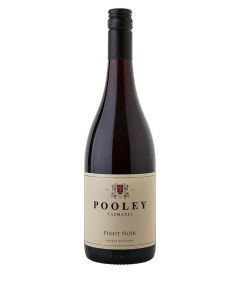
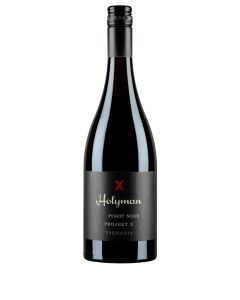
This cool climate island has been the source of great excitement and discussion in recent years. Its history with the vine can be traced back to the 1800s. Fast forward 150 years and both the north and south of Tasmania had plantings and were a great font for some of Australia’s best sparkling wines. Today while it still produces some of our best sparkling wines, the island’s still wines – including chardonnay and pinot - are lauded as some of the greatest.
North Tasmania
This idyllic region located to the north of Launceston with the Tamar River running down the west side provides an array of terroirs suited to growing
Plentiful rain needs a keen eye in the vineyard, and unwanted spring frosts have been known to wreak havoc – you might catch a glimpse of a helicopter hovering to mix the cold winds from the ground.
South Tasmania
Colder than the north yet surprisingly more sunshine hours fall here and less rain – so the perfect storm for growing grapes with flavour and freshness. It’s varied, so not all sites are warmer but some are. Coal River and Richmond are very dry and have even been able to ripen cabernet, which is always late to the party.
The vineyards surround Hobart and receive a healthy stream of tourists thanks mainly to MONA – which have their own winery, Moorilla Estate on the banks of the Derwent River. One of the first wineries established down south.
Style - The wines are finely boned with nuance and detail built in. A cleansing line of acidity is a common feature and handled well by clever winemakers.




Gippsland